Stablecoins stopped being a trading chip a while ago. People now earn in them, save in them, and want to spend them at a normal checkout without first selling to a bank.
A crypto card is the bridge, and it feels like every few months, a new card comes by promising utopia (but most do not follow through).
Fueling users’ frustration is most card comparison articles and "best crypto card" lists rarely judge the thing that matters for stablecoins. They rank by cashback headline or brand, then bury the conversion fee, the foreign-exchange markup, and the fine print on where the card actually works. This guide fixes that.
Methodology
We compared the cards people actually use to spend USDC and USDT in 2026, judged on a clear set of criteria.
Fees and features come from each provider's published fee schedule, verified in July 2026. Where a claim comes from user reports or third-party testing rather than the provider, we say so.
A cashback percentage tells you almost nothing on its own. To spend stablecoins well, these are the criteria that decide whether a card is actually good, and they are the ones we weighted.
- Custody. Do you hold your own keys until you spend, or does the provider hold your balance?
- Where it works. The card network's merchant reach and the countries where you can actually get the card.
- Real cost to spend. The number that matters is issuance plus conversion plus foreign-exchange markup. A "no FX fee" card with a 1% conversion spread is not free.
- Stablecoins and chains. Which coins does it take (USDC, USDT, others) and on which networks?
- Getting started. How fast and how smooth is the path from sign-up to spending?
- Rewards. Cashback only counts if it pays in something stable and does not require locking up a volatile token to unlock it.
Quick picks by use case
- Best for storing and spending stablecoins: Kite. Hold USDC or USDT in a wallet you control, then spend a dollar balance with no issuance or maintenance fee and no rewards gimmicks to decode.
- Best global reach and largest user base: RedotPay. Over 100 countries and 130M+ merchants, though the fee stack is heavier.
- Best for high spenders: KAST. Real-dollar cashback and zero-spread funding, but its best rates and metal cards need paid tiers.
- Best for US users: Coinbase Card. Spend USDC straight from Coinbase with no transaction fee.
- Best for staking-based rewards: Crypto.com Visa, if you are comfortable locking up CRO.
- Best for self-custody: MetaMask Card or Gnosis Pay, if you live in a supported Western market.
- Best for borrowing against crypto: Nexo Card, for EU and UK users who would rather not sell.
The cards compared at a glance
| Card | Custody | Stablecoins | Card Issuance fee | Convert / top-up | Non-USD FX | Cashback | Availability |
|---|---|---|---|---|---|---|---|
| Kite | Non-custodial wallet, prepaid card balance | USDC, USDT | Free | 0.53% top-up | 1.8% | Coming soon | 9 countries (Asia-Pacific) at launch with more coming soon |
| RedotPay | Custodial | USDC, USDT + more | $10 virtual, $100 physical | ~1% conversion | 1.2% | Pro plan only | 100+ countries (not US) |
| KAST | Custodial | USDC, USDT, PYUSD, RLUSD | Free (first 2 virtual) | 0% (1:1) | 0.5%–1.75% by tier | 1.5%–3% (USD) | 170+ countries with major focus on the LatAm region |
| Coinbase Card | Custodial | USDC | Free | 0% on USDC | 0% (US) | Variable (US only) | US only, excluding Hawaii |
| Crypto.com Visa | Custodial | USDC/PYUSD fund a fiat balance | ~$0–$40 by tier | 0% via crypto | 0.5%–2% by tier | Up to 5% (CRO lock) | SG, EU, UK, US, AU + |
| Nexo Card | Custodial | USDT, USDC | Free (virtual) | 0.75% swap fee in Debit mode | 0.2% / 2% | 0.5%–2% (Credit mode) | EEA, UK, Switzerland |
| MetaMask Card | Self-custody | USDC, USDT, mUSD | Free (virtual) | ~$0.01 gas | 1% (free tier) | 1%–3% (mUSD) | ~48 countries, no Asia, US and UK sign-ups are paused |
| Gnosis Pay | Self-custody | EURe, GBPe, USDCe | €30 | None | Visa rate | Up to 4% at 100 GNO, 5% with OG NFT, interim programme | EEA, UK, CH, LatAm |
Note that the information provided in the table above is latest as of July 2026.
1. Kite: Best for holding and spending stablecoins
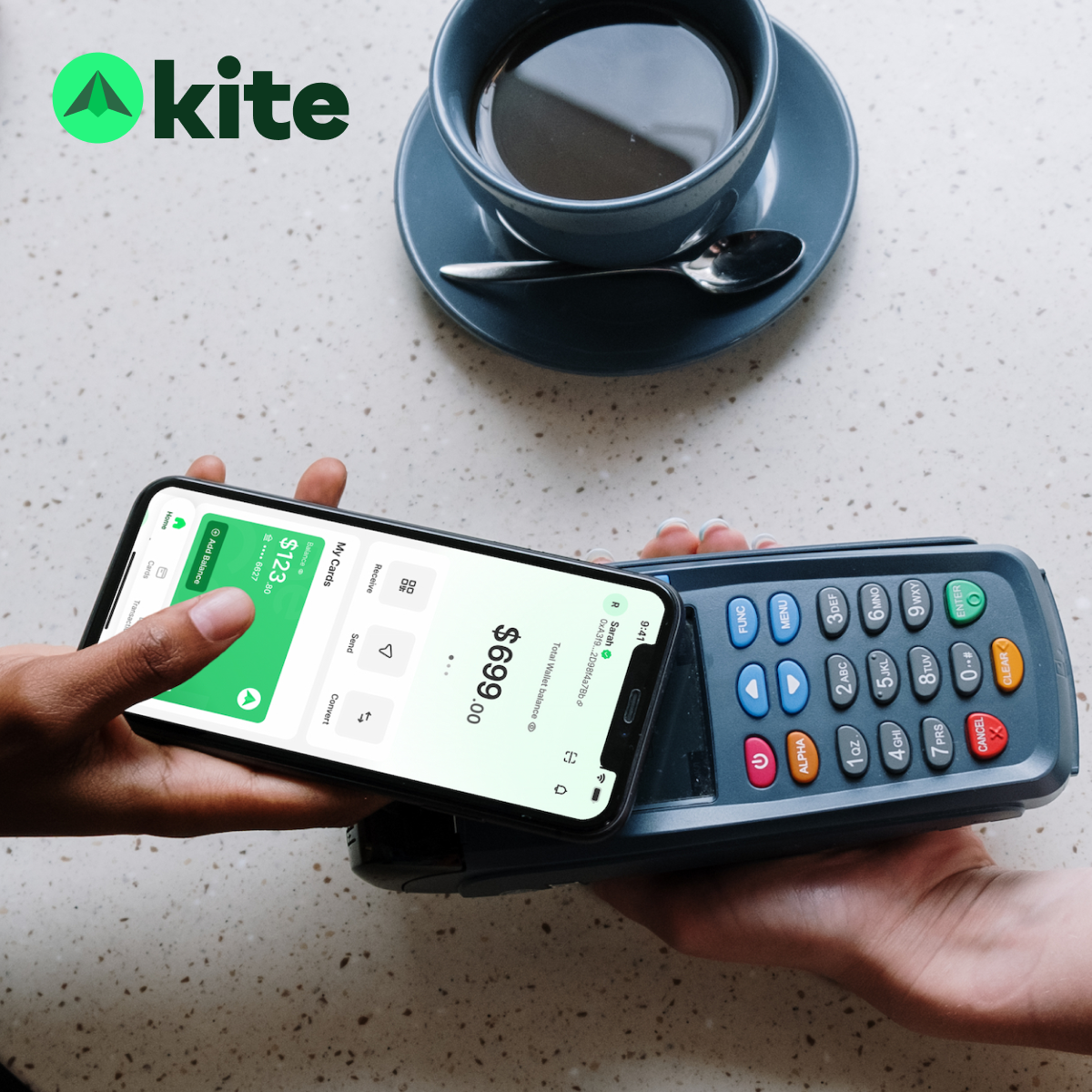
Kite is a stablecoin money app for storing, sending, and spending dollars, and the card is only one part of it. You hold stablecoins like USDC and USDT (in addition to other assets) in a wallet you control, move money across borders in seconds, and spend from a Visa card that draws on a US dollar balance.
Stablecoins and custody
Most cards on this list are custodial. That means the card provider holds your balance, not you. Kite Wallet is non-custodial and secured with multi-party computation. Your balance is yours, Kite can't freeze it or lend it out.
Read more on how Kite protects your money.
While you can hold any cryptoasset on the Kite Wallet, you can fund your Kite card with USDC and USDT. To spend, you top up the virtual Visa card from your wallet and the balance sits in US dollars.
What it costs
Issuance and maintenance are free, with no monthly, annual, or inactivity fee. Topping up from stablecoins costs 0.53%, spending in US dollars carries no fee, and spending in another currency costs a flat 1.8%.
Availability
As of July 2026, Kite is available to residents of nine Asia-Pacific markets:
- Malaysia
- Philippines
- Singapore
- Thailand
- Vietnam
- Japan
- South Korea
- Taiwan
- Australia
For an updated list, you can check the official countries page.
That is narrower than the global players below, ATM withdrawals are still coming soon, and there is no cashback yet.
Summing up
- For holding and spending stablecoins, Kite strips out the friction the others add.
- No issuance fee, no maintenance fee, transparent low costs, a wallet only you control.
- No volatile-token rewards or staking lock-ups that complicate the experience.
- As a newer product it is catching up to the track record than RedotPay or Crypto.com, but it also carries none of the frozen-funds or cashback-devaluation complaints that follow the incumbents.
- If you want one app to hold, move, and spend dollars and you live in a supported market, Kite is the cleanest option.
2. RedotPay: Widest reach and largest user base
RedotPay is the volume leader in this category. Paymentscan attributes more onchain card spending to RedotPay than any other program, with $5.6 billion tracked all-time, and the company reports over 8 million users and acceptance at 130M+ merchants across 100+ countries.
Stablecoins and custody
RedotPay supports USDC and USDT (plus BTC, ETH, SOL and others), held in an in-app wallet that RedotPay controls, and converts to local currency the moment you pay.
What it costs
This is where RedotPay gets heavier. The fee schedule lists a $10 virtual card ($100 for physical), where the Kite card is free to issue, a 1% crypto-to-fiat conversion fee, and a 1.2% fee on non-USD spending, so an overseas purchase can stack conversion and FX together bringing the total to as high as 2.2%.
ATM withdrawals run 2% to 3%. RedotPay's official pages describe it only as working with "major card networks." The card runs on Visa, with some products on Mastercard.
Availability
Southeast Asia is supported.
The United States and mainland China are not supported.
Summing up
- Reviews on Trustpilot average around 2.8 out of 5.
- The recurring complaints are a weaker-than-expected built-in exchange rate on overseas spending and accounts placed "under review" with funds locked.
- RedotPay is a good option for users who want the broadest global acceptance and multi-asset funding, and do not mind a heavier fee stack.
3. KAST: Best for high spenders
KAST is a stablecoin-native card with a premium bent. It funds a US dollar balance with no conversion spread and pays cashback, but its most attractive rates and its metal cards sit behind paid tiers priced for people who spend heavily, which makes it less of an everyday all-rounder than it first appears.
Stablecoins and custody
KAST accepts USDC, USDT, PYUSD and RLUSD across many chains, converting to USD at 1:1 with a stated 0% spread, per its fees page. Balances are held by KAST's custody partners rather than self-custodied.
What it costs
The free Standard tier is competitive, with two virtual cards at no cost, 0% top-up, and no fee on US-dollar spending. But the headline 2% and 3% cashback and the metal cards require the Premium and Private tiers at $1,000 and $10,000 a year, which puts KAST's best features out of reach for most everyday users.
Foreign spending runs 0.5% to 1.75%, and ATM withdrawals cost $3 plus 2%.
Availability
Coverage is broad rather than regional, though several markets including Canada, Australia, Japan, Singapore and Hong Kong are not served. A majority of KAST’s user base appears to be concentrated in the LatAm region.
Summing up
- Sentiment around KAST is poor among users as per the 2.7 rating on Trustpilot.
- Fans praise fast issuance and the clean 1:1 conversion, while the loudest complaints describe deposits frozen behind source-of-funds review.
- A recent cashback cut and points that redeem only in SOL are also issues commonly raised by users.
- With exclusive perks and concierge services for higher tier members, KAST may be more suitable for high networth individuals or those who can afford KAST's premium tiers.
4. Coinbase Card: Reliable option for US users
For anyone who already keeps funds on Coinbase, the Coinbase Card is the path of least resistance. It is a Visa prepaid debit card that spends from your Coinbase balance, and spending USDC is effectively free.
Note this is the debit Coinbase Card, not the separate Coinbase One credit card.
Stablecoins and custody
You can spend USDC or any supported crypto, which Coinbase converts to US dollars at the point of sale. Funds are custodied by Coinbase.
Because USDC sits at par with the dollar, Coinbase notes that spending it should not trigger a taxable gain, unlike spending volatile crypto, which incurs a spread and is a taxable event.
What it costs
There is no issuance fee, no annual fee, and no Coinbase transaction fee, with 0% listed on international spend in the US cardholder agreement. The catch is availability, not price.
Availability
Coinbase Card is available only to Coinbase customers living in the US, excluding Hawaii. Coinbase says it hopes to expand eligibility in future. There is no EU, UK or Asian availability, which rules it out for most readers of this guide.
Summing up
- A common criticism from users is the email-only dispute handling after fraudulent charges. A few reviews also flag higher-than-anticipated conversion spreads on volatile assets.
- The Coinbase card is good for US and EU/UK users who want to spend USDC directly from Coinbase with minimal setup.
5. Crypto.com Visa: Good for staking-based rewards
Crypto.com's prepaid Visa card holds a fiat balance (USD, SGD, EUR, or GBP) that you fund by converting crypto, including USDC and PYUSD.
Cashback is paid in CRO and scales with your Level Up tier. Since the December 2025 overhaul, there are three paid tiers, Plus, Pro and Private, starting at $4.99 a month, alongside a free Basic tier. You reach a tier either by subscribing or by locking up CRO, so the token requirement is no longer the only route.
The prepaid card pays up to 5% back in CRO at the top tier. Reviewers consistently note the rebate rarely matches the headline once CRO's price movement is factored in, and the subscription cost eats into it at the middle tiers.
Essentially, rewards depend on holding a volatile token, and reviewers note the rebate rarely matches the headline once CRO's price swings are factored in.
What it costs
Lower tiers carry a foreign-transaction fee of 0.5% to 2% that, as reviews point out, can erase most of the cashback for international spenders.
There is also a $5 monthly inactivity fee after 12 months of no use, unlike Kite which charges no maintenance or inactivity fee at all.
Availability
Availability is broad, including Singapore, Europe, the UK, the US, and Australia. You can see the full list here.
Summing up
- The September 2025 overhaul drew criticism for stripping popular perks and cutting top-tier cashback over time.
- Crypto.com's prepaid Visa card seems to be a favorite among people who are also users of the exchange are happy to stake CRO for higher cashback and who value the widest tier range and perks.
6. Nexo Card: Best for borrowing against crypto
Nexo's card is unusual in that it can spend without selling.
In Credit mode, purchases draw on a crypto-backed credit line, so your assets stay put as collateral. In Debit mode, you spend stablecoins or crypto from your balance, which keeps earning interest until the moment you spend.
Stablecoins and custody
It supports USDT and USDC among 100+ assets, held custodially by Nexo, with a card currency of EUR or GBP. Idle balances earn yield, which is a genuine differentiator.
What it costs
There is no monthly or annual fee, and the free virtual card needs only a $50 portfolio.
Foreign-exchange fees are low at 0.2% on EEA, UK and Swiss currencies, but 2% elsewhere, with a 0.5% weekend surcharge.
Cashback of 0.5% to 2% applies only in Credit mode and scales with how much NEXO token you hold. UK cardholders can no longer earn cashback at all following a regulatory phase-out, though the card still works for spending.
Availability
Availability covers the EEA, the UK and Switzerland. It is not available in the US, Asia-Pacific or Latin America. Physical card ordering has been paused since 17 January 2025, so new users get the virtual card only.
Summing up
- Nexo holds a high Trustpilot score in this group, around 4.5, with praise for its flexibility and tax-efficient "borrow, don't sell" model.
- Complaints center on the best perks being gated behind large NEXO holdings, where Kite's low fees require holding no token at all.
- Nexo’s card is ideal for EU and UK users who want to spend against their crypto without selling and earn on idle balances.
7. MetaMask Card: Best self-custody option
The MetaMask Card is genuinely self-custodial. Your stablecoins stay in your MetaMask wallet, and the card converts them to fiat only at the moment of payment, so you never pre-load a balance. It runs on Mastercard through the Crypto Life program.
Stablecoins and custody
It spends USDC, USDT and MetaMask's own mUSD across Linea, Base, Solana and Monad, with EURe and GBPe also supported on Linea. New York and Texas users are limited to Linea and Base.
What it costs
The virtual card is free with no monthly fee. Spending a stablecoin in its matching local currency is fee-free, a mismatched currency costs 0.5%, and the free tier adds a 1% cross-border fee abroad, which the $199-a-year Metal tier waives. Cashback is 1% in mUSD on the free tier.
However, orders for the Metal card have been paused since 2 June 2026, so the 1% cross-border fee on the free tier is unavoidable for new users.
Check the updated limits and fees here.
Availability
The card covers 45 countries, heavily weighted to Europe and Latin America. It is not available anywhere in Asia or Southeast Asia, where Kite operates, and US and UK sign-ups have been temporarily paused.
Summing up
- DeFi-native users like keeping funds in the wallet until they spend, but reviews note the 1% cashback is roughly cancelled by the 1% cross-border fee abroad, and that cashback switched from USDC to mUSD in late 2025.
- The MetaMask card would be exciting for existing MetaMask users in supported Western markets.
8. Gnosis Pay: Self-custody, onchain settlement
Gnosis Pay takes self-custody the furthest. Your funds live in a Safe smart account you control on Gnosis Chain, and each purchase settles onchain 1:1 at the moment you pay. There is no pre-funded custodial balance at all.
Stablecoins and custody
It settles in EURe, GBPe, or USDCe (one currency per card, set by your country) through Monerium's e-money rails, per its fee schedule. For a US-dollar stablecoin spender this is more euro-oriented than the others.
What it costs
Gnosis Pay charges a €30 fee for the card. There is no purchase fee, and FX is at Visa's rate for EUR and GBP if you hold EURe or GBPe.
ATM withdrawals are free up to five a month or 200 units, then 2%. Cashback runs up to 4% but is paid in GNO and requires holding up to 100 GNO to reach the top tier, where Kite asks you to hold no token.
Note that the cashback is an interim programme funded by Gnosis Ltd with a defined end date rather than a standing feature.
Availability
Availability is the EEA, the UK, Switzerland, and five Latin American countries. Asia, Southeast Asia, and the US are all listed as coming soon, not live.
Summing up
- It has a low Trustpilot score in this set, around 2.2, with a recurring theme of stuck funds and slow support. It appears that the company has shifted focus toward business and white-label issuing.
- The card is good for European self-custody purists comfortable spending euro stablecoins onchain.
How to choose the right card
Start with where you live, because availability eliminates most of the list fast.
- In Asia-Pacific, Kite and RedotPay are the realistic options. KAST also covers the region.
- In the US, it is Coinbase, Crypto.com or KAST. MetaMask has paused new US sign-ups.
- In the EU, you have the most choice, with Nexo, Gnosis Pay, MetaMask and Crypto.com all live.
- In the UK the same list as EU applies, minus MetaMask, which has paused UK sign-ups, and with the caveat that Nexo cashback is no longer available to UK cardholders.
Then match the card to how you spend.
You mostly want to hold and spend stablecoins cheaply and simply. Prioritize low, transparent fees, stablecoin-native funding, and a wallet you control. Kite leads here for most people, and KAST is worth a look for high spenders who can reach its premium tiers.
Frequently asked questions
What is the best crypto card for spending stablecoins?
Kite is the top pick. Your stablecoins sit in a wallet you control until you move them onto the card, there is no issuance or maintenance fee, and it spends anywhere Visa is accepted. Kite also offers honest rewards and perks where applicable.
Which crypto cards work with USDC and USDT?
Nearly all of them support USDC, and most support USDT. Kite, KAST, RedotPay, Coinbase, MetaMask, and Nexo all take USDC and USDT. Gnosis Pay settles in USDCe among euro and pound stablecoins.
Is there a crypto card with no fees?
Yes. Kite is a crypto/stablecoin Visa debit card with no fees for anyone. You do not have to pay any annual maintenance fee, and there is also no fee to get a new card issued in case you lose one.
Do crypto cards require KYC?
Yes. Every card in this guide requires identity verification to comply with financial regulations, and all set a minimum age of 18.
Are stablecoin cards safe to use?
The card networks and merchant protections are the same as any Visa or Mastercard. The variable is the provider. Self-custody cards like Kite keep your funds in your own wallet, while custodial cards hold your balance for you. Across reviews, the most common serious complaint is funds frozen during account reviews, which is why we have chosen to take the non-custodial route so that our users always remain in control.
Try Asia’s best crypto card today for free. Download the Kite app today and get your Kite virtual Visa debit card within minutes!